


In short: unopened nicotine pouches usually keep for 12–24 months. The best-before date is a quality indication, not an expiry date: afterwards, flavour and moisture can fade, while the nicotine generally remains stable. Pouches stay fresh longest when kept cool, dark and well sealed; an opened can is best finished within two to four weeks.
The best-before date of a nicotine pouch is a quality indication from the manufacturer, not an expiry date in the legal sense. It shows the period during which flavour, softness and release remain optimal. Two things need to be distinguished: the chemical stability of the nicotine on the one hand, and sensory changes such as loss of flavour or drying out on the other. Nicotine itself remains stable under cool conditions – what changes is the experience of using it. This article explains how long nicotine pouches last, how to store them properly and what happens after the best-before date.
How long do nicotine pouches last and what affects their shelf life?
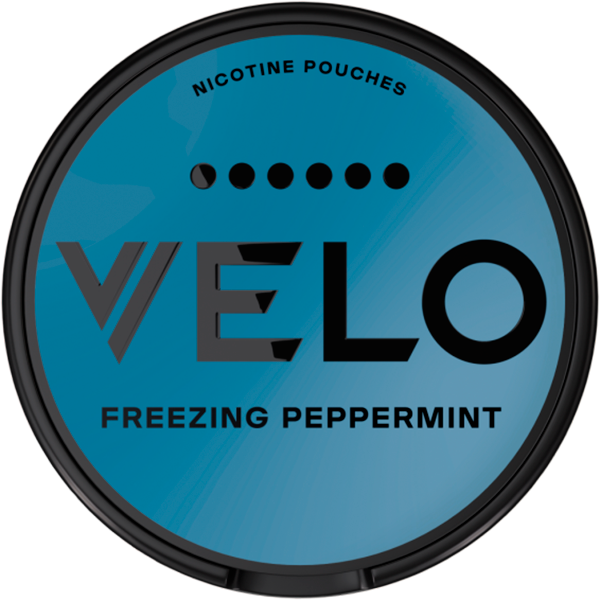
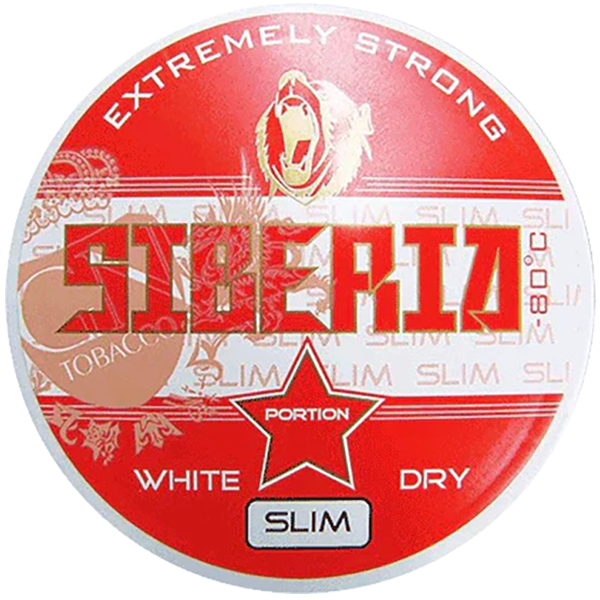
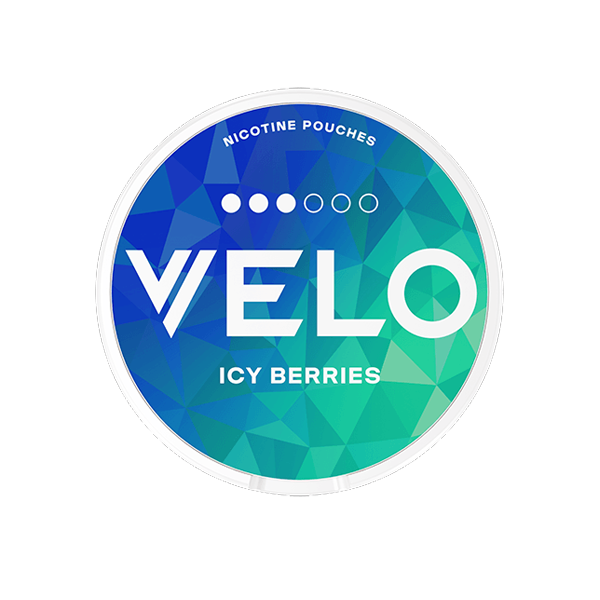
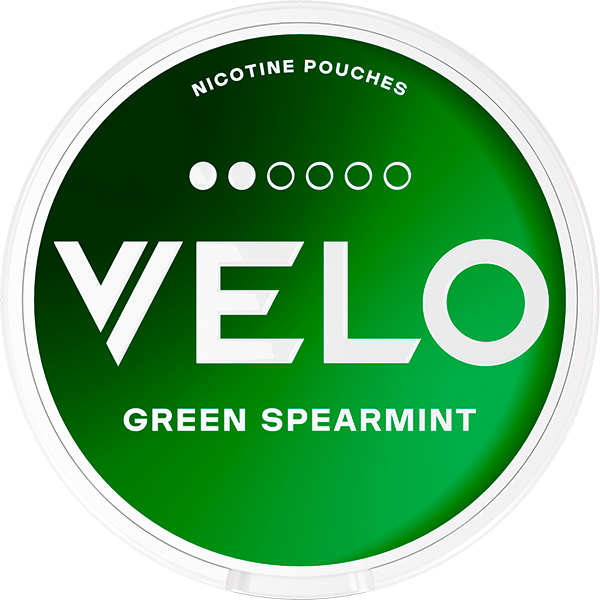
Nicotine pouches last 12–24 months on average, depending on the product, manufacturer and storage. Brands such as VELO or Siberia print the best-before date on the can. The actual shelf life, however, depends less on the date than on storage conditions.
The main factors:
- Temperature: heat speeds up the loss of moisture and flavour. Storage at 5–20 °C is ideal.
- Light: direct sunlight breaks down flavourings. A drawer or cupboard noticeably extends freshness.
- Humidity: too much humidity encourages mould, while air that is too dry makes moist pouches dry out.
- Air contact: every time you open the can, oxygen reaches the pouches. Frequent opening speeds up the loss of quality.
Tip: don’t stock up on nicotine pouches for more than about three months. Fresh products deliver the best experience.
A pouch lasts about 20–60 minutes in the mouth, depending on moisture and strength. A dried-out pouch releases nicotine more slowly and unevenly, even if the amount of nicotine is unchanged.
Moist vs. dry nicotine pouches: which last longer?
Moisture content is decisive for storage and shelf life. Moist pouches with a high water content need cooler, airtight storage. Dry pouches are more robust and keep considerably longer at room temperature.
| Feature | Moist nicotine pouches | Dry nicotine pouches |
|---|---|---|
| Water content | high (approx. 30–40%) | low |
| Storage temperature | 5–10 °C recommended | up to 20 °C |
| Sensitivity | high (mould, drying out) | low |
| Flavour intensity | stronger, more direct | milder, stable for longer |
| Release | fast and intense | more even, slower |
| Shelf life if stored incorrectly | drops sharply | drops moderately |
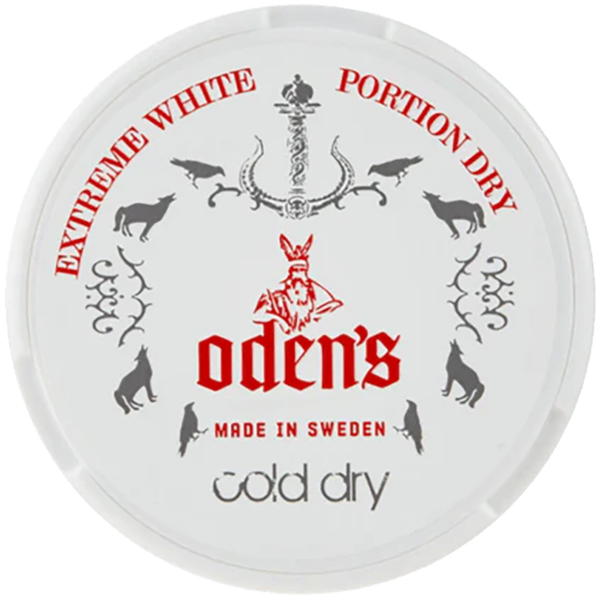
Moist pouches, such as classic original-portion snus from General, are more sensitive to temperature changes. Leaving moist pouches in the car in summer risks a clear loss of quality within a few hours. Dry pouches (White Dry) cope better with short periods of heat, but also lose flavour in prolonged warmth.
Tip: ideally keep moist pouches in the fridge in an airtight container. For dry pouches, a cool drawer away from the stove or window is enough.
Moisture content also affects the experience: moist pouches release nicotine faster, dry ones more evenly. More on this in the comparison Dry vs. moist snus.
What happens after the best-before date?
The best-before date is not a switch after which a product becomes unusable. After it, flavour, moisture and consistency may change, but the nicotine itself generally remains stable. A pouch one month past its best-before date is therefore usually still usable – but the experience is no longer that of a fresh product.
The most common changes after the best-before date:
- Loss of flavour: the taste becomes flatter, especially menthol and fruit flavours.
- Drying out: moist pouches lose water and harden; nicotine release can suffer.
- Texture: the pouch material becomes brittle or sticky.
- Discolouration: visible discolouration indicates advanced loss of quality.
Before using a pouch past its best-before date, it is worth briefly checking the smell, the pouch material and the colour. A pouch that smells unusual, feels sticky or is discoloured should not be used.
Expired nicotine pouches belong in household waste, not in recycling, compost or waste paper.
Storing nicotine pouches correctly: step by step
Control the temperature. Store nicotine pouches at 5–20 °C. Moist pouches benefit from fridge temperature, dry ones keep well at room temperature.
Avoid light. Keep cans in a drawer, cupboard or opaque bag.
Keep airtight. Close the can immediately after each use. Store unopened cans additionally in a zip bag.
Avoid temperature swings. Alternating heat and cold, for example in the car, damages moist pouches particularly quickly.
Check the best-before date when buying. Make sure there is enough remaining shelf life, ideally at least three months.
Protect them on the go. A small metal tin or hard case protects against pressure and heat – in summer, don’t leave the can in your pocket in the sun. Suitable cases can be found under Storage.
Don’t freeze. Freezing can permanently change the texture of the pouch material; pouches often become brittle.
Out of children’s reach. Always store nicotine pouches – including used ones – safely away from children. If swallowing is suspected: Tox Info Suisse 145, in an emergency 144.
More on use can be found in the guide Nicotine pouches: use, effect and application.
Key points at a glance
| Point | Details |
|---|---|
| Understand the best-before date | It indicates optimal quality, not an expiry date. |
| Nicotine stays stable | The amount of nicotine barely changes after the best-before date, unlike flavour and texture. |
| Storage temperature is key | Store moist pouches at 5–10 °C, dry ones up to 20 °C. |
| Check before use | Check smell, consistency and colour before using an expired pouch. |
| Dispose of correctly | Expired pouches belong in household waste. |
Order fresh products from Snustrend
At Snustrend you get snus, nicotine pouches and nasal snuff shipped from Switzerland – from brands such as VELO, Siberia, ZYN and many more. You will find all varieties under Buy snus; the snus strength table compares nicotine levels.
FAQ
What exactly does the best-before date mean for nicotine pouches?
The best-before date is a quality indication from the manufacturer. It shows the period in which flavour, texture and release are optimal – it is not a legal expiry date.
Can nicotine pouches still be used after the best-before date?
In many cases, yes. Nicotine remains chemically stable, but flavour and texture can change. Checking smell, consistency and colour gives you a clear picture.
How should nicotine pouches best be stored at home?
Moist pouches cool (5–10 °C) and airtight, dry pouches at room temperature up to 20 °C – in both cases protected from light and out of children’s reach. Avoid temperature swings and direct sunlight.
Where do expired nicotine pouches go?
In household waste. Recycling, compost or waste paper are unsuitable, as nicotine residues are harmful to the environment.
How long do nicotine pouches last after opening the can?
An opened can should be finished within two to four weeks. Frequent opening speeds up loss of flavour and drying out.
Further reading
- Dry vs. moist snus: duration and nicotine release
- Nicotine pouches: facts, use and risks explained
- Snus dosage: understanding strength in mg
Note: nicotine products are only for adults aged 18 and over. Nicotine is addictive.
Share:
The role of vaper communities: influence and importance
Adjusting snus nicotine content: a step-by-step guide