

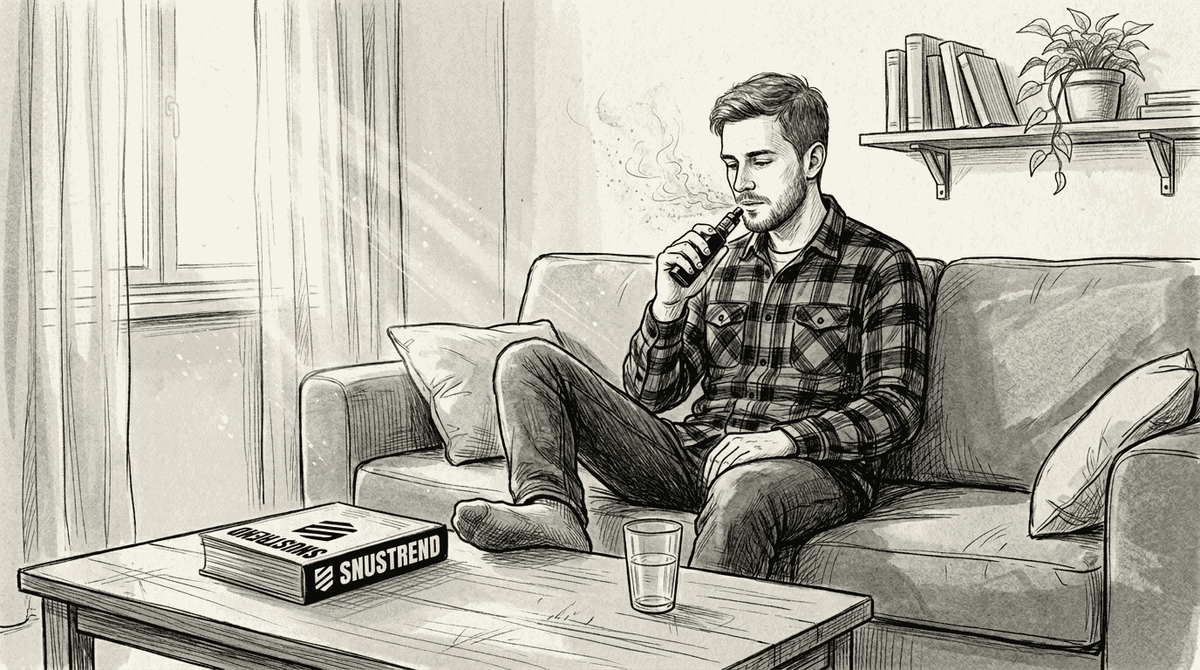
Many people see vapes as uncomplicated – but e-cigarettes are not risk-free either. Studies show that cheap or counterfeit disposables in particular can release metals such as lead, nickel or chromium into the vapour. In this article you will learn where these substances come from, how vapes differ from cigarettes, which rules apply in Switzerland and what to look out for when buying and using a vape.
Key points at a glance
| Point | Details |
|---|---|
| Metals in the vapour | Heating elements, solder joints and low-grade alloys can release metals such as nickel, chromium or lead. |
| Main causes | Cheap components, coil corrosion, overheating and using the same coil for a long time. |
| Product quality | Devices from legal, controlled channels with clear labelling are a better choice than goods of unknown origin. |
| Nicotine | Nicotine is addictive – regardless of the device. |
| Precautions | Choose products carefully, change coils in time, maintain your device, take warning signs seriously. |
Where do harmful substances in vapes come from?
Metal exposure mainly results from technical defects and low-quality materials. The coil heats the liquid with every puff; over time it can corrode and release metal particles into the aerosol. The poorer the alloy, the faster this happens.
Unsuitable components are another problem: lead-containing solder and alloys have been found in some cheap disposables. A study by the University of California, Davis (2025) measured clearly elevated levels of metals such as lead, nickel and antimony in some disposable e-cigarettes after several hundred puffs. Levels varied widely between models.
Usage time also matters: in some devices, metal release increases with the number of puffs as components wear. Disposables are not designed for coil changes – you use the same coil until the end.
The most common problematic metals:
- Lead: accumulates in the body and can damage the nervous system and organs.
- Nickel: can trigger allergies and irritation of the airways.
- Chromium: certain compounds are carcinogenic.
- Copper and zinc: can irritate the airways when inhaled.
- Antimony: less well known, but also considered harmful to health.
Vapes and cigarettes: different risks
Many assume that vapes are fundamentally harmless. That is not true. Cigarettes burn tobacco at high temperatures, producing tar, carbon monoxide and numerous carcinogenic combustion products. E-cigarettes do not burn anything; they heat a liquid. Depending on the device and how it is used, other substances such as metals, aldehydes or flavourings can end up in the aerosol.
- Cigarette smoke contains tar and carbon monoxide from combustion.
- With vapes, the focus is on metals from heating elements and components and on substances from heated liquids.
- Both products usually contain nicotine – and nicotine is addictive.
- The long-term effects of vaping have not yet been fully researched.
Bottom line: neither cigarettes nor vapes are safe. If you do not smoke, do not start. To see where snus fits into this discussion, read our article Snus and cigarettes compared.
What are the rules in Switzerland?
- 18+: The Swiss Tobacco Products Act (TobPA) has been in force since 1 October 2024. E-cigarettes – with and without nicotine – may only be sold to adults aged 18 and over, including online with age verification.
- Tank volume: On 14 April 2026 the Federal Supreme Court confirmed that disposable e-cigarettes may hold no more than 2 ml and that this volume may not be extended by attached cartridges or additional tanks. So-called hybrid or big-puff devices can therefore no longer be sold.
- Disposable bans: Disposable vapes are not (yet) banned nationally, but the cantons of Valais and Geneva have their own bans. More in our article Disposable vape bans in the cantons.
- Tax: CHF 1.00 per ml on disposable e-cigarettes, CHF 0.20 per ml on nicotine-containing liquids, plus VAT.
For you, this means: buy from retailers who check age and only stock products approved in Switzerland. Devices from dubious sources often do not meet these requirements.
Vaping more mindfully: choice and use
The risks cannot be eliminated, but they can be limited through conscious decisions.
Device
Look for branded products from reputable channels with complete product information. Rechargeable pod systems have the advantage that you replace pods or coils regularly instead of using one coil until the end.
Liquid
Buy liquids with a full ingredient list and batch labelling. Avoid products without proof of origin or with unclear additives. More in our article Vape liquids: quality, effects and trends.
Maintenance and warning signs
- Change the coil or pod as soon as the flavour fades or tastes burnt or metallic.
- Clean the device regularly according to the instructions.
- Avoid very long continuous puffs that cause overheating.
- Stop using the device if it is discoloured, leaking or has a damaged battery.
- Store liquids somewhere cool, dark and out of reach of children.
- Charge batteries only with a suitable cable and never unattended overnight.
- Never put disposables or batteries in household waste; return them to a retailer or collection point.
A simple usage log – when you change coils, which liquids you use – helps you spot problems early. If you have symptoms such as a persistent cough, shortness of breath or chest pain, stop vaping and see a doctor. If poisoning is suspected (e.g. a child has drunk liquid): Tox Info Suisse 145; in an emergency, call 144.
Vapes at Snustrend
At Snustrend you will find pod systems such as the Elf Bar ELFA Pro, e-liquids and disposable vapes from well-known brands – with age verification and for the Swiss market. If you are new to vaping, we recommend our beginner’s guide to vaping in Switzerland.
Frequently asked questions about vape safety
How do I recognise a reputable vape product?
By complete product information, a well-known brand, purchase from a Swiss retailer with age verification and a price that is not suspiciously low. Avoid devices of unclear origin.
Which metals are particularly problematic in vapes?
Mainly lead, nickel and chromium. Lead accumulates in the body, certain chromium compounds are carcinogenic, and nickel can trigger allergies and irritation. Antimony, copper and zinc can also be harmful when inhaled.
How can I limit exposure when vaping?
Buy devices and liquids from reputable sources, change coils or pods in time, clean your device and watch for warning signs such as a metallic or burnt taste. The risks cannot be eliminated entirely.
Are vapes safer than snus?
The two products carry different risks; a general answer is not possible. Both usually contain nicotine, and nicotine is addictive.
Are hybrid or big-puff vapes allowed in Switzerland?
No. Since the Federal Supreme Court ruling of 14 April 2026, disposable e-cigarettes may hold no more than 2 ml, and this volume may not be extended with additional tanks. Such devices can no longer be sold.
Note: Nicotine products are for adults aged 18 and over only. Nicotine is addictive. Smoke-free products are not risk-free either.
Share:
Is snus a drug? Effects, addiction and the law in Switzerland
Discover various vape flavors: top tastes 2026