

As of October 16, 2026 · Snustrend Editorial Team · Reading time approx. 6 minutes
In short: Snus or nicotine pouches and coffee can be combined, but the effects add up: caffeine and nicotine both temporarily increase heart rate and blood pressure. Acidic drinks like coffee can slow down nicotine absorption through the oral mucosa – expert information on nicotine gum therefore recommends a 15-minute interval. Pouches with coffee flavor usually contain no caffeine, only aroma.
Coffee and a pouch under the lip are part of the morning routine for many adults. The same questions keep coming up: Does coffee enhance the effect of nicotine? Does it weaken it? And do “coffee” pouches also contain caffeine? Here you will find the answers with numbers and sources – and an overview of the coffee varieties available in Switzerland.
Can you use snus and coffee at the same time?
Yes, there are no known dangerous interactions between caffeine and nicotine in usual amounts. Both substances have a stimulating effect. According to the Federal Institute for Risk Assessment (BfR), caffeine in higher amounts can cause palpitations, nervousness, and increased blood pressure. Nicotine from pouches also temporarily increases heart rate and blood pressure, according to BfR. If you take both together, this effect on the heart and circulation adds up.
Practically, this means: If you take a strong pouch and a double espresso at the same time, you often feel more restlessness than with just one of the two. If you notice trembling, rapid heartbeat, or nausea, remove the pouch and skip the next coffee. Our guide explains which nicotine strength is generally suitable for you: Snus Dosage: Which strength (mg) is right for me?.
Does coffee weaken the effect of nicotine pouches?
Possible – at least in the short term. Nicotine is best absorbed through the oral mucosa when saliva is more alkaline. That’s why nicotine pouches contain pH regulators: For example, ZYN lists sodium carbonate and sodium bicarbonate in the ingredients.
Coffee, fruit juices, and soft drinks, on the other hand, are acidic. The Swedish expert information on a nicotine gum (NiQuitin) states that drinks that lower the pH in the mouth can reduce nicotine absorption from the oral cavity. It recommends avoiding such drinks like coffee for up to 15 minutes beforehand. The health platform HealthLink BC advises a 15-minute interval before and after chewing nicotine gum.
There is no specific study for nicotine pouches on this. However, they work on the same principle as nicotine gum. It is therefore plausible that a sip of coffee just before or during the pouch slightly slows absorption. How much depends on the amount, acidity, and timing.
Why does coffee work stronger when you stop smoking?
This is not due to nicotine, but to smoke. Polycyclic aromatic hydrocarbons in tobacco smoke accelerate the breakdown of certain substances via the liver enzyme CYP1A2 – including caffeine. The Rx for Change program at the University of California San Francisco (UCSF) notes an increase in caffeine levels of about 56% when someone quits smoking. It explicitly emphasizes: These interactions arise from combustion products, not from nicotine.
For everyday life, this means: If you no longer smoke cigarettes, you break down caffeine more slowly. The usual four cups of coffee can then have a significantly stronger effect, even if nicotine is still consumed. UCSF recommends halving the caffeine amount in this situation.
How much caffeine is in coffee – and how much is too much?
The European Food Safety Authority (EFSA) states that for healthy adults, up to 200 mg of caffeine at once and up to 400 mg per day from all sources is considered safe. For pregnant women, a maximum of 200 mg per day applies. Energy pouches with caffeine count fully (more on this in Energy Pouches: How much caffeine is too much?).
| Drink / Product | Amount | Caffeine approx. | Percentage of 400 mg/day |
|---|---|---|---|
| Espresso | 60 ml | 80 mg | 20 % |
| Filter coffee | Cup 200 ml | 90 mg | 23 % |
| Energy drink | Can 250 ml | 80 mg | 20 % |
| Cola | Can 330 ml | 35 mg | 9 % |
| Energy pouch (e.g. Scooper Energy) | 1 pouch | approx. 80 mg (manufacturer's specification) | 20 % |
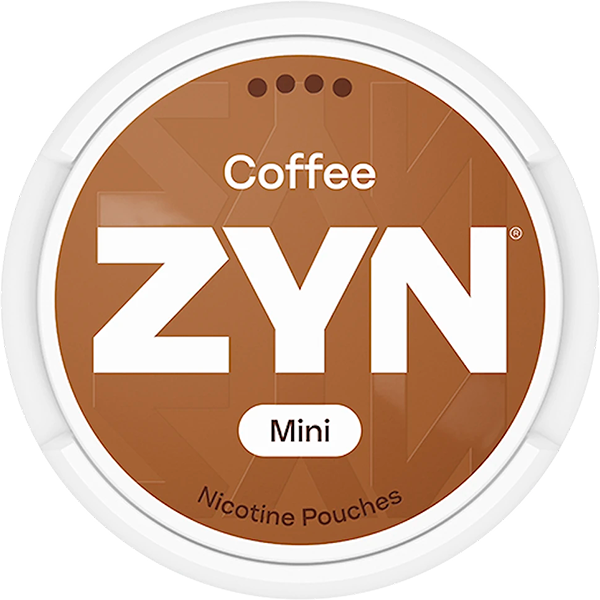
| Nicotine pouch with coffee flavor (e.g. ZYN Coffee) | 1 pouch | no caffeine declared | 0 % |
Drink values: BfR. Pouch values: Manufacturer and product specifications.
Example: Two cups of filter coffee in the morning (approx. 180 mg) and an espresso after lunch (80 mg) result in 260 mg. Until the EFSA daily limit, 140 mg remain. A nicotine pouch does not change this caffeine calculation, but an energy pouch with 80 mg does.
Do coffee pouches contain caffeine?
Typically not. “Coffee” or “espresso” on the can describes the flavor. In ZYN Coffee, the ingredient list mentions flavors, sweeteners, nicotine, and pH regulators – caffeine is not listed. Caffeine is only included if it is explicitly declared, as in energy pouches. Therefore, always read the information on the can.
What coffee pouches are available in Switzerland?
At Snustrend, you can currently find these varieties with coffee aroma. The nicotine information comes from manufacturer and product specifications.
| Product | Nicotine per pouch | Format | Flavor | Suitable for |
|---|---|---|---|---|
| Zeronito Espresso Slim | 0 mg (nicotine-free) | Slim | Espresso, roasted with a bitter note | Flavor without nicotine |
| ZYN Coffee Normal 3mg Mini | 3 mg | Mini | Coffee, slightly bitter | Beginner strength |
| ZYN Coffee Extra Strong Mini | 6 mg | Mini | Coffee, strongly roasted | Normal strength, small format |
| Miami Coffee Ultra Strong | approx. 20 mg | Slim | Espresso with a slightly sweet note | For experienced users only |
All four are tobacco-free, white pouches. How to read mg per pouch and mg per gram correctly is explained in Nicotine Pouch Strength Explained: mg per Pouch. You can find more ZYN varieties in the ZYN Collection, and nicotine-free alternatives under Nicotine-Free Pouches.
Do coffee and snus stain teeth?
Coffee can stain teeth. Classic tobacco snus in brown portions can additionally promote deposits and discoloration. Tobacco-free all-white pouches contain no tobacco and are white. According to the German Cancer Research Center (DKFZ), nicotine pouches can irritate the oral mucosa. Do not place the pouch in the same spot every time and rinse briefly with water after coffee.
Tips for combining in everyday life
- Keep a distance: If you want the full nicotine effect, drink the coffee about 15 minutes before or after the pouch instead of at the same time.
- Adjust strength: In the morning on an empty stomach and with strong coffee, a lower strength is often sufficient.
- Count caffeine: Add up coffee, energy drinks, and energy pouches, with a maximum of 400 mg per day.
- Be sparing in the evening: According to EFSA, around 100 mg of caffeine shortly before sleeping can delay falling asleep.
- Listen to your body: Rapid heartbeat, trembling, or nausea are signs that it was too much.
Frequently Asked Questions (FAQ)
Can you use snus and coffee at the same time?
Yes, a dangerous interaction is not known at usual amounts. Caffeine and nicotine both temporarily increase heart rate and blood pressure, and the effects add up. Those who react sensitively should choose weaker pouches or drink less coffee.
Do coffee pouches contain caffeine?
Most of the time, no. “Coffee” only describes the flavor. According to the ingredient list, ZYN Coffee does not contain caffeine. Caffeine is only found in pouches where it is explicitly declared, such as in energy pouches.
Does coffee weaken the effect of nicotine pouches?
Short-term, it is possible. Acidic drinks like coffee lower the pH in the mouth and can thus reduce nicotine absorption through the oral mucosa. Expert information on nicotine gum recommends a 15-minute interval. There is no specific study for pouches, but the principle is the same.
Why does coffee work stronger after quitting smoking?
Substances in tobacco smoke accelerate caffeine breakdown in the liver. When the smoke is removed, the caffeine level increases by about 56%, according to UCSF. This is due to combustion products, not nicotine.
Are there nicotine-free pouches with coffee flavor?
Yes, for example, Zeronito Espresso Slim with 0 mg nicotine. It offers coffee flavor without nicotine.
How much coffee is safe per day?
According to EFSA, up to 400 mg of caffeine per day for healthy adults, which is about four cups of filter coffee at 90 mg each. At once, it should be a maximum of 200 mg, and for pregnant women, a maximum of 200 mg per day.
Sources
- EFSA: Scientific Opinion on the safety of caffeine (2015)
- BfR: Questions and Answers about caffeine and caffeinated foods
- BfR: Preliminary health assessment of nicotine pouches (Statement 027/2021)
- Medical Products Agency (Sweden): Expert information NiQuitin Mint 2 mg chewing gum (English)
- HealthLink BC: Nicotine Gum (English)
- UCSF Rx for Change: Drug Interactions with Tobacco Smoke (English)
- DKFZ: Facts about Smoking – Nicotine Pouches (2025)
Note: This article is for informational purposes and is not medical advice. It is not intended to encourage anyone to consume nicotine. Nicotine products are only for adults aged 18 and over. Nicotine is addictive.
Discover now: ZYN Coffee Extra Strong Mini · Zeronito Espresso (nicotine-free) · All ZYN varieties





Share:
Vape tax in Switzerland: what 1 ml costs – disposable vs. pod