


As of November 18, 2026 · Snustrend Editorial Team · Reading time approx. 7 minutes
In short: Classic snus consists of ground tobacco, water, salt, sodium carbonate, flavorings, and humectants. Tobacco-free nicotine pouches contain plant fibers (mostly microcrystalline cellulose), nicotine salts, salts, citric acid, flavorings, and sometimes sweeteners instead of tobacco. In Switzerland, the Tobacco Products Act limits harmful substances such as lead (3 mg/kg) and nitrosamines (2 mg/kg). A list of ingredients on the can is not required.
“What’s actually in such a pouch?” – this is a question many users of snus or nicotine pouches ask themselves. The answer depends on whether you have classic snus with tobacco or a tobacco-free nicotine pouch in front of you. In this guide, you will learn which ingredients are typical, what they are used for, what contaminants may occur, and what Swiss law prescribes regarding them.
What is in snus?
Classic Swedish snus is a tobacco product for oral use. According to the manufacturer Swedish Match, the main ingredients besides ground tobacco are water, table salt, and sodium carbonate. Additionally, flavorings and humectants are included. Moist snus consists of more than half water.
- Tobacco: air- or sun-dried tobacco, finely ground. It provides the nicotine.
- Water: keeps the snus moist and pliable.
- Salt: regular table salt, primarily for flavor.
- Sodium carbonate (soda): raises the pH level. This allows more nicotine to be in “free” form, which is absorbed more easily through the oral mucosa.
- Humectants: keep the snus moist. In Sweden, propylene glycol is approved as an additive up to 4% (according to Swedish Match).
- Flavorings: depending on the variety, for example mint or fruity notes.
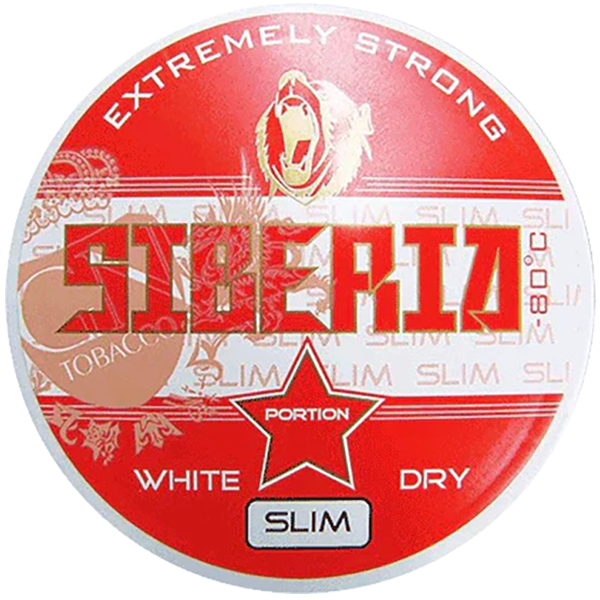
Typical tobacco snus brands in the Snustrend range include General, Odens, and Siberia. You can find snus with a moist pouch through the filter Original Portion.
How is Swedish snus made?
The biggest difference from other tobacco products is the manufacturing process. Most snus varieties today are not fermented but heated – this is referred to in the industry as pasteurization. According to Swedish Match, the process is as follows:
- Grinding: The dried tobacco is ground and sifted.
- Mixing and Heating: Water and salt are added while stirring, then the mixture is heated under computer control.
- Cooling and Seasoning: Afterwards, sodium carbonate, flavorings, and humectants are added.
- Portioning and Storing: The snus is filled into pouches and stored cool for a few days.
The heating inhibits bacteria involved in the formation of tobacco-specific nitrosamines (TSNA). Therefore, pasteurized snus generally contains significantly fewer of these substances than fermented tobacco products.
What is in tobacco-free nicotine pouches?
Tobacco-free nicotine pouches (also called “All White”) contain no tobacco, but they do contain nicotine. According to manufacturer information summarized by the German Cancer Research Center (DKFZ), they consist of:
- Nicotine salts – the nicotine comes either from extracts of the tobacco plant or is produced synthetically.
- Microcrystalline cellulose – a white plant fiber powder as a carrier substance.
- Various salts – the BfR mentions sodium carbonate and sodium bicarbonate as pH regulators.
- Citric acid – for acid regulation and flavor.
- Sweeteners – only in some of the products.
- Flavorings – mint, fruit, berries, and many more.
The German Federal Institute for Risk Assessment (BfR) has examined nicotine pouches in the laboratory. The average pH value (median) was 8.8, which is in the alkaline range. In a screening of 50 pouches, the BfR found 186 different chemicals, primarily flavoring agents. The most common included menthol, linalool, limonene, and eucalyptol. Some flavoring agents can trigger allergies, according to the BfR.
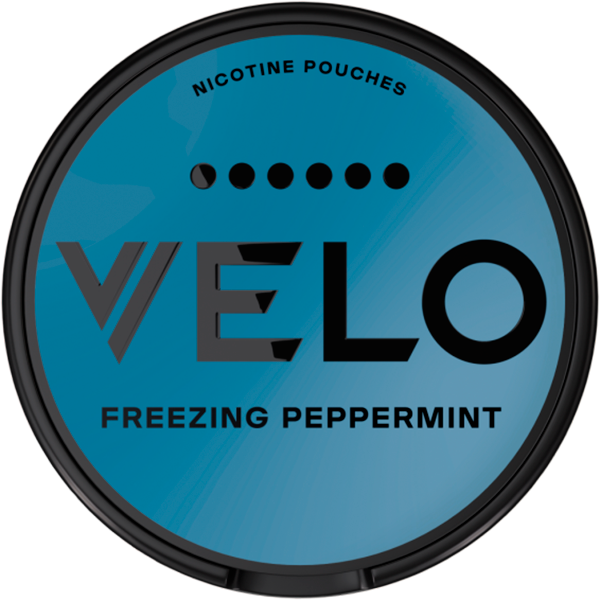
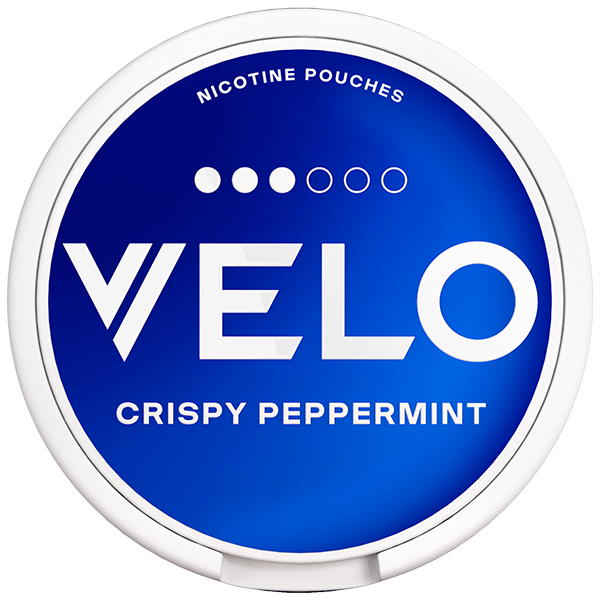
You can find tobacco-free pouches in the shop under the filter All White, for example from VELO or ZYN. More about the basics is explained in the article What are nicotine pouches?
Comparison of snus and nicotine pouches: What ingredients are in them?
| Component | Snus with tobacco | Tobacco-free nicotine pouch | Purpose? |
|---|---|---|---|
| Tobacco | yes, ground | no | Source of nicotine and flavor |
| Nicotine | naturally in tobacco | as nicotine salt (from tobacco extract or synthetic) | Active ingredient |
| Carrier substance | tobacco itself | microcrystalline cellulose / plant fibers | Filling of the pouch |
| Water | a lot (moist: over 50%) | depending on the variety | Moisture |
| Salt | table salt | various salts | Flavor |
| pH regulator | sodium carbonate | sodium carbonate / bicarbonate | more “free” nicotine |
| Acid | – | citric acid | Flavor, acid regulation |
| Humectants | yes (e.g., propylene glycol) | depending on the product | keeps moist |
| Sweeteners | not listed as a main ingredient | partly | Flavor |
| Flavorings | yes | yes, often many | Flavor |
Sources: Swedish Match (snus), DKFZ 2025 and BfR 023/2022 (nicotine pouches). The exact formulation varies by brand and variety.
Is there sugar in snus?
Sugar is not one of the main ingredients that Swedish Match lists for snus (tobacco, water, salt, sodium carbonate, flavorings, humectants). In tobacco-free pouches, some manufacturers use sweeteners to round out fruit flavors (DKFZ). Which sweeteners are used varies from product to product. You can only be sure by checking the ingredient list on the can or with the manufacturer.
What harmful substances can be in snus and pouches?
In addition to the desired ingredients, contaminants may occur:
- Tobacco-specific nitrosamines (NNN, NNK): They primarily arise during the fermentation of tobacco from nicotine and other tobacco alkaloids. The International Agency for Research on Cancer (IARC) classifies NNN and NNK as carcinogenic (Group 1). The BfR found nitrosamines in more than half of the examined nicotine pouches – even though they do not contain tobacco. The DKFZ states that the amounts are “significantly lower than in cigarettes.” According to the BfR, contamination can be avoided through the manufacturing process.
- Heavy metals, aflatoxins, polycyclic aromatic hydrocarbons: They can enter the product through tobacco or raw materials. There are maximum limits for these in Switzerland and Sweden (see below).
Important: Fewer harmful substances do not mean “harmless.” Snus and nicotine pouches contain nicotine, and nicotine is addictive. Why some pouches burn in the mouth and what role pH value and flavorings play in this is explained in the article Why does snus burn?
What limits apply in Switzerland for snus ingredients?
Since October 1, 2024, the Tobacco Products Act (TabPG, SR 818.32) has been in effect. It classifies snus and tobacco-free nicotine pouches as “nicotine products for oral use” (Art. 3 Bst. d TabPG). For these products, Annex 2 of the TabPG sets maximum limits for harmful substances. For comparison, the table shows the values of Swedish food law and the voluntary industry standard GOTHIATEK from Swedish Match.
| Substance | Switzerland (TabPG Annex 2) | Sweden (Food Law) | GOTHIATEK (voluntary, manufacturer) |
|---|---|---|---|
| Lead | 3 mg/kg | 3 mg/kg | 1.0 mg/kg |
| Nitrosamines NNN + NNK | 2 mg/kg | regulated since 2016 | 0.95 mg/kg |
| Aflatoxins | 0.005 mg/kg (= 5 µg/kg) | regulated | 2.5 µg/kg |
| Benzo(a)pyrene | 0.003 mg/kg (= 3 µg/kg) | regulated since 2016 | 1.25 µg/kg |
| Nicotine | no upper limit | no upper limit | – |
GOTHIATEK values according to Swedish Match, based on moist snus; the standard applies to the products of this manufacturer.
For nicotine itself, there is no maximum limit for snus and pouches in Switzerland. The details are in the article Nicotine limit for snus in Switzerland.
Who controls the composition in Switzerland?
In Switzerland, the principle of self-regulation applies: Anyone who manufactures or imports snus or nicotine pouches must ensure compliance with the regulations – according to the BAG, “for example, the composition of the products” (Art. 25 TabPG). For nicotine pouches, manufacturers can also use manufacturing specifications for this purpose (Art. 21 TabPV). Inspections must be carried out by accredited laboratories.
Products must also be reported to the Federal Office of Public Health (BAG) via the platform tabacinfo.ch. Market control is carried out by the cantons. If a product does not comply with the rules, the business must take action; recalls are published on Recall Swiss.
By the way: Pouches that contain neither tobacco nor nicotine do not fall under the TabPG. The Federal Office for Food Safety and Veterinary Affairs (BLV) is responsible for them. What is in nicotine-free pouches is explained in the article Nicotine-free snus: What’s in it.
Must there be an ingredient list on the snus can?
No, not in Switzerland. The packaging regulations for tobacco and nicotine products require, among other things, the type of product, the manufacturer or importer, the country of production, and the warning label in three official languages. According to the explanations of the BAG, an ingredient list is not one of the mandatory information on snus and pouches.
However, you often find the ingredients on Swedish snus cans. The reason: In Sweden, snus is regulated as a food product (Livsmedelsverket, regulation LIVSFS 2012:6), and the ingredients are listed on the label. For tobacco-free pouches, the indication is voluntary – when in doubt, it’s worth checking the manufacturer’s website.
What should you pay attention to when buying?
- Tobacco or tobacco-free? Check whether you are buying classic snus (Original Portion, White Portion) or a tobacco-free nicotine pouch (All White).
- Nicotine content per pouch: The range is large. The BfR measured 1.79 to 47.5 mg per pouch in 44 nicotine pouches, with a median of 9.48 mg. When in doubt, choose the lower strength – for example, through the filter Mild (up to 8 mg).
- Allergies: If you are sensitive to certain flavoring agents, ask the manufacturer for the ingredient list.
- Swiss warning label: Legally sold pouches without tobacco carry the Swiss warning label in three languages.
- Protect children: Cans and used pouches contain nicotine and should be kept out of reach of children. In case of emergency: Tox Info Suisse 145.
Frequently Asked Questions (FAQ)
What is in snus?
Classic snus contains ground tobacco, water, table salt, sodium carbonate, flavorings, and humectants. Moist snus consists of more than half water.
Is there tobacco in nicotine pouches?
No. Tobacco-free nicotine pouches contain no tobacco, but nicotine salts, plant fibers such as microcrystalline cellulose, salts, citric acid, flavorings, and sometimes sweeteners. They still contain nicotine.
Where does the nicotine in tobacco-free pouches come from?
According to the DKFZ, it is either derived from extracts of the tobacco plant or produced synthetically. In the pouch, it is usually present as a nicotine salt.
Why is sodium carbonate in snus?
Sodium carbonate raises the pH level. At a higher pH level, more nicotine is in “free” form, which is absorbed more easily through the oral mucosa. In nicotine pouches, the pH level in a BfR study was found to be a median of 8.8.
Do nicotine pouches contain nitrosamines?
Partially. The BfR found tobacco-specific nitrosamines in more than half of the examined nicotine pouches, according to the DKFZ in significantly lower amounts than in cigarettes. In Switzerland, there is a maximum limit of 2 mg/kg for oral nicotine products for NNN and NNK combined.
Must the ingredient list be on the can?
Not in Switzerland. Mandatory information includes product type, manufacturer or importer, country of production, and the warning label in three official languages. Swedish snus often carries the ingredients anyway because it is regulated as food in Sweden.
Sources
- Tobacco Products Act (TabPG), SR 818.32 – Art. 3, 25, Annex 2
- BAG: FAQ on the implementation of the Tobacco Products Act (self-regulation, warning labels, standards)
- BAG: Explanatory report on the Tobacco Products Ordinance (TabPV)
- DKFZ: Facts on Smoking – Nicotine Pouches (2025)
- BfR: Health assessment of nicotine pouches, statement 023/2022
- BfR2GO: “Risking a big lip?” – Analysis of nicotine pouches
- Swedish Match: Snus production (manufacturer information, English)
- Swedish Match: GOTHIATEK Standard (manufacturer information, English)
- Swedish Match: Snus and the Swedish Food Act (English)
Note: This article is general information and not legal or medical advice. Nicotine products are only for adults aged 18 and over. Nicotine is addictive.
Discover now: Tobacco-free All-White Pouches · Classic Snus (Original Portion) · Nicotine-free Pouches
Share:
Where can you vape and use snus? Trains, work and restaurants in Switzerland