


Snus is a smoke-free tobacco/nicotine alternative that is particularly widespread in Scandinavia and is increasingly gaining popularity in Switzerland. But what exactly is Snus, how does it work, and why is it becoming more popular? This article provides you with all the answers – from the basics to practical tips for beginners.

What is Snus?
Snus is a moist tobacco mixture that is placed in small portions under the upper or lower lip. Unlike other tobacco products, Snus is neither chewed nor smoked, but exerts its effects through the oral mucosa.
What is Snus made of?
Snus is made from various ingredients, including:
- Ground tobacco: The base of every Snus mixture.
- Salt: It provides a characteristic taste and extends shelf life.
- Flavors: From classic tobacco taste to exotic fruits and mint, there are numerous variants.
- Moisture-retaining agents: To keep the Snus fresh for a long time.
What types of Snus are there?
-
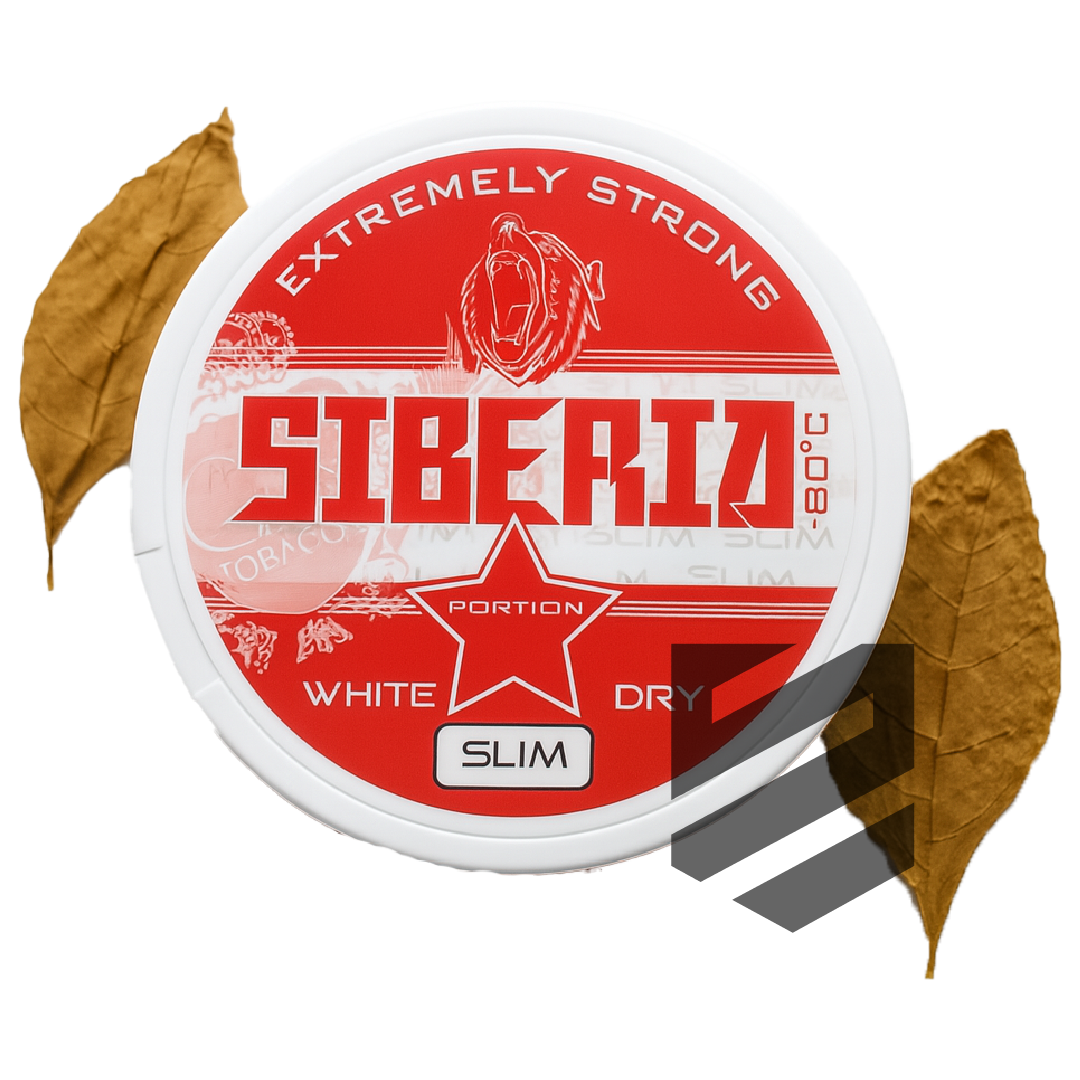
Portioned Snus: In small, ready-made pouches – practical and discreet.
-
Loose Snus: Without pouches, moldable for stronger and more personal experiences.
-
Nicotine-free variants: For those who want to enjoy the ritual but want to avoid nicotine.
-
Flavored varieties: From mint and menthol to tropical fruits or licorice.
In our shop, you will find a large selection of different Snus varieties. Take a look: Click here.
Where does Snus come from? – A look into history
- Origin in Sweden: Snus was developed in the 18th century in Sweden and is still considered a traditional delicacy there.
- Export to the world: In recent decades, Snus has gained international attention and is now appreciated in countries like Switzerland, Norway, and the USA.
- Popularity in Switzerland: With the increasing demand for smoke-free alternatives, Snus has also gained popularity in Switzerland.
How does Snus work?
The effect of Snus largely depends on the amount of nicotine and individual tolerance.
What happens in the body?
-
Nicotine absorption: The nicotine is absorbed through the oral mucosa and quickly enters the bloodstream.
-
Stimulation: Many experience a boost of energy and increased concentration.
-
Relaxation: Some use Snus for stress relief.
Difference between Snus, Smoking, and Chewing Tobacco
- Snus vs. Smoking: Snus does not burden the lungs and is less noticeable to consume. No smoke or unpleasant odor is produced.
- Snus vs. Chewing Tobacco: Unlike chewing tobacco, Snus is not chewed but sits quietly under the lip. This makes its use more discreet.
Advantages and Disadvantages of Snus
Advantages:
- Smoke-free alternative: No harmful substances like tar or carbon monoxide.
- Discreet use: Especially portioned Snus is easy to use and leaves hardly any traces.
- Wide selection: From mild to strong and with various flavors for every taste.
- Longer shelf life: Thanks to the addition of salt, Snus stays fresh for a long time.
Disadvantages:
- Addiction: The high nicotine content can be addictive.
- Gum problems: Long-term use can damage the gums and cause recession.
- Health risks: Although less harmful than smoking, Snus is not risk-free.
- Legal restrictions: In the EU (except Sweden), Snus is not freely available.
Share:
Bad Breath from Snus?
Is Snus harmful? The most important side effects and risks at a glance