


Experimenting with snus, a smokeless tobacco product, is met with significant controversy. In Sweden, snus is originally produced and widely consumed. They have stated that they support its legalization, primarily because it is a safer way to use it than regular cigarettes. They are convinced that the use of snus will lead to a reduction in smoking and thus a decrease in tobacco-related diseases. Critics, on the other hand, claim that snus is addictive and may lead to oral cancer.
The report highlights the debates surrounding the legalization of snus and addresses the various aspects involved. In the later sections, the individual viewpoints are discussed in detail, explaining the potential impacts on public health and the anticipated consequences for the tobacco industry. We will also examine the existing and developing regulations and measures regarding smokeless tobacco products in India as well as global policies. However, it is important to note that the sale of snus is banned in many other EU countries. Switzerland has opted for the legalization of snus because it believed this would reduce cigarette consumption in its own country.
In this article, we will discuss the legal aspect and the legalization of snus in Switzerland and explain why snus can currently be legally sold and consumed in Switzerland.
Article 2 in Europe, for example, prohibited the sale of snus starting in 1992, but not its consumption. This is enshrined in paragraph 4 of Directive 92/41/EEC. This law was introduced after the WHO classified some oral tobacco products as carcinogenic and after American tobacco companies aggressively marketed this new tobacco product, which was little known in the EU. As can be seen, the nitrosamines in this North American type of snus were the main justification for this decision. Swedish snus has been regulated by Swedish food and drug authorities for many years, which is why it contains no nitrosamines. Fortunately, Sweden has received an exemption for its tradition, meaning that snus is legal in Sweden, but snus is banned while cigarettes, e-cigarettes, chewing tobacco, or snuff remain allowed.
Currently, they have partially adopted the ban and therefore only allow the private import of snus for personal use. The ban on tobacco products for oral use thus includes "any product intended for oral use that is wholly or partly made of tobacco, whether in the form of powder or fine granulate, except for products intended solely for smoking or chewing." As long as tobacco pouches or containers for oral use do not exhibit the characteristics of fine-grained or powdered tobacco, these products are considered chewing tobacco, which could thus be legally sold before liberalization, even if snus.
The marketing of snus was banned until early 2018, while only personal quantities were allowed into the country. However, for the introduction of snus, Swiss citizens had to pay high customs costs and wait a long time to receive the product from Sweden, with a maximum of 1.2 kg allowed every 60 days. The import of snus continued to increase despite the high prices, and the Federal Court deemed it appropriate to maintain the argument that there was no legal basis for the snus ban. From then on, snus could be imported and sold from Switzerland. This was accompanied by direct importers like snushus. ition, which drastically reduced costs and delivery times and significantly improved the experience with this product for consumers.
In fact, the risks of snus are significantly lower than the risks of cigarettes. This is evidenced by the fact that, for example, in Sweden, the number of patients diagnosed with lung cancer is significantly lower than in other countries where the sale of this product has not yet been liberalized. However, the decision was not made based on this finding, but rather within the framework of a legal proceeding.
The renewed discussion was triggered when an importer wanted to introduce almost 250 kg of chewing tobacco into Switzerland and was prevented by customs from declaring the shipment as snus, thereby violating food law. A counterargument was presented and delivered against the claim that snus poses health risks "in unexpected ways."
Since May 2019, snus can and may be purchased and consumed in Switzerland. The Federal Administrative Court ruled that there is no justification for the ban on snus and that the use of snus does not pose an immediate health risk, as is the case with cigarettes and alcohol.
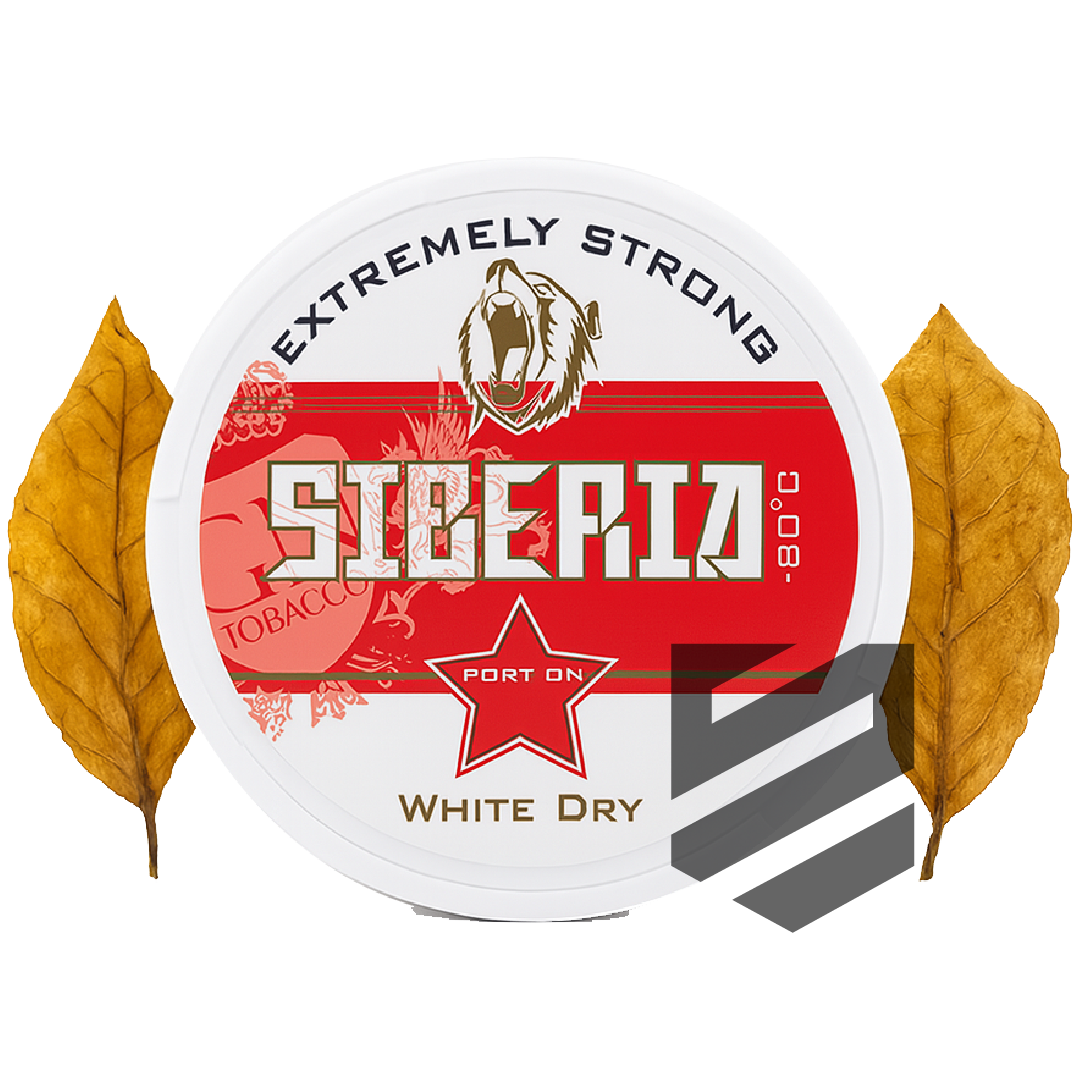
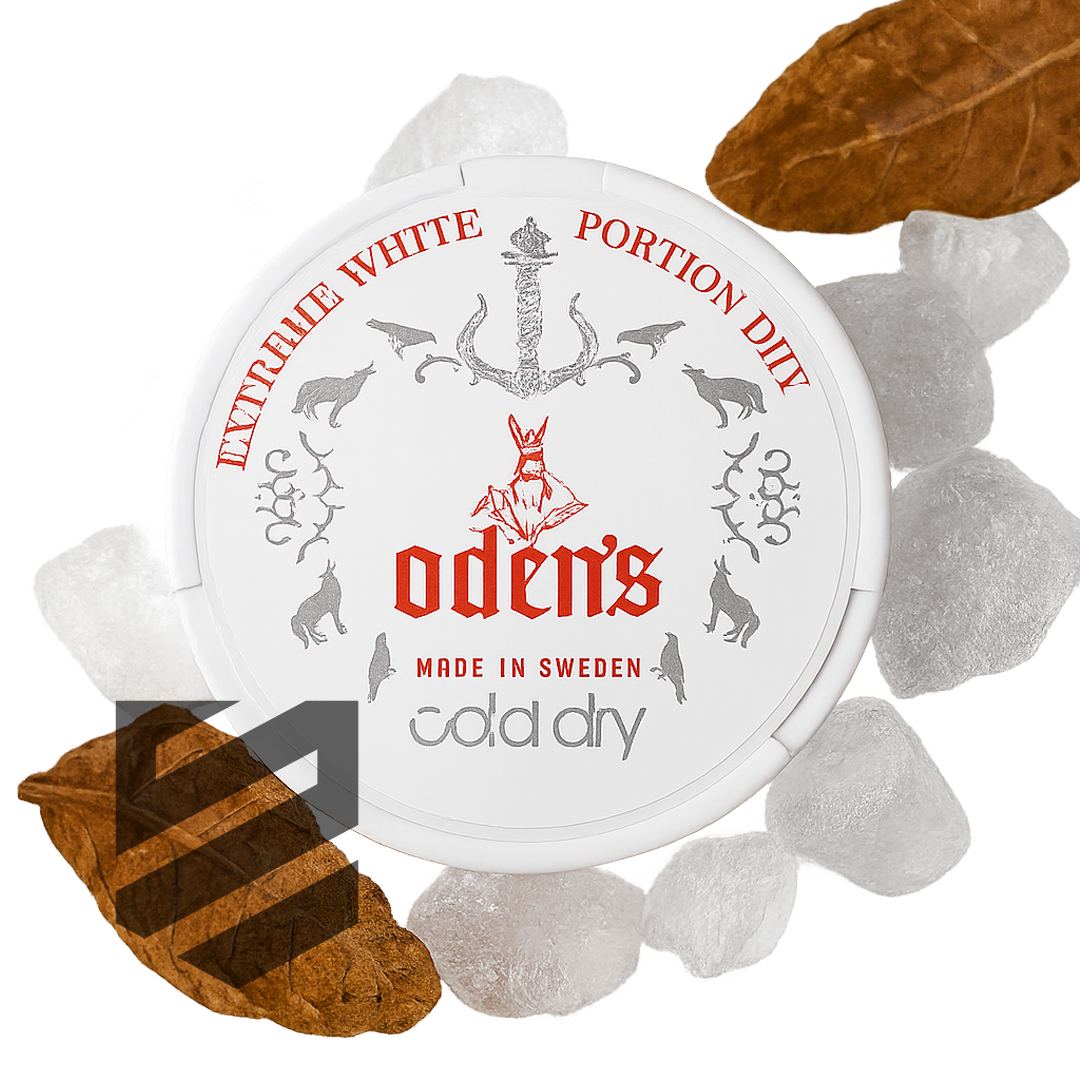
The dry part, referring to the dry snus, was originally banned in Switzerland because snus is one of the strongest forms of snus with a relatively high nicotine content. However, this law has been repealed as snus has now been legalized. This means that snus in Switzerland is now legal in its original form, both the dry and the white dry part, and can be freely purchased and used.
Data from various countries show that the risk of developing diseases such as cancer or cardiovascular diseases is lower with snus than with cigarettes. When smoking, many of the substances contained in the cigarette are burned, and some of them are directly inhaled by the smoker. However, snus does not take the form of a cigarette and therefore has only minimal adverse health effects.
The New Nicotine Alliance as an organization continues to fight for the repeal of the ban on snus in the EU so that snus can be a low-risk alternative to cigarettes.
Now, it is not only that snus is banned in most EU countries, but its sale is also restricted in other countries like America and Australia. As snus becomes increasingly popular, it won't be long before the EU follows the same path as Switzerland and legalizes snus in other regions. However, there are also opinions stating that it is impossible to legalize tobacco snus in the EU, even as the market gradually shifts to nicotine-free nicotine pouches, meaning that the ban on tobacco snus may have less impact on snus consumers in Europe in the future.



Share:
Siggi Vapes: Recommended by SIDO and loved by all
Taste the Rainbow: The Best-Selling Instaflow 5000 Vapes Deliver a Perfect Blend of Fruits